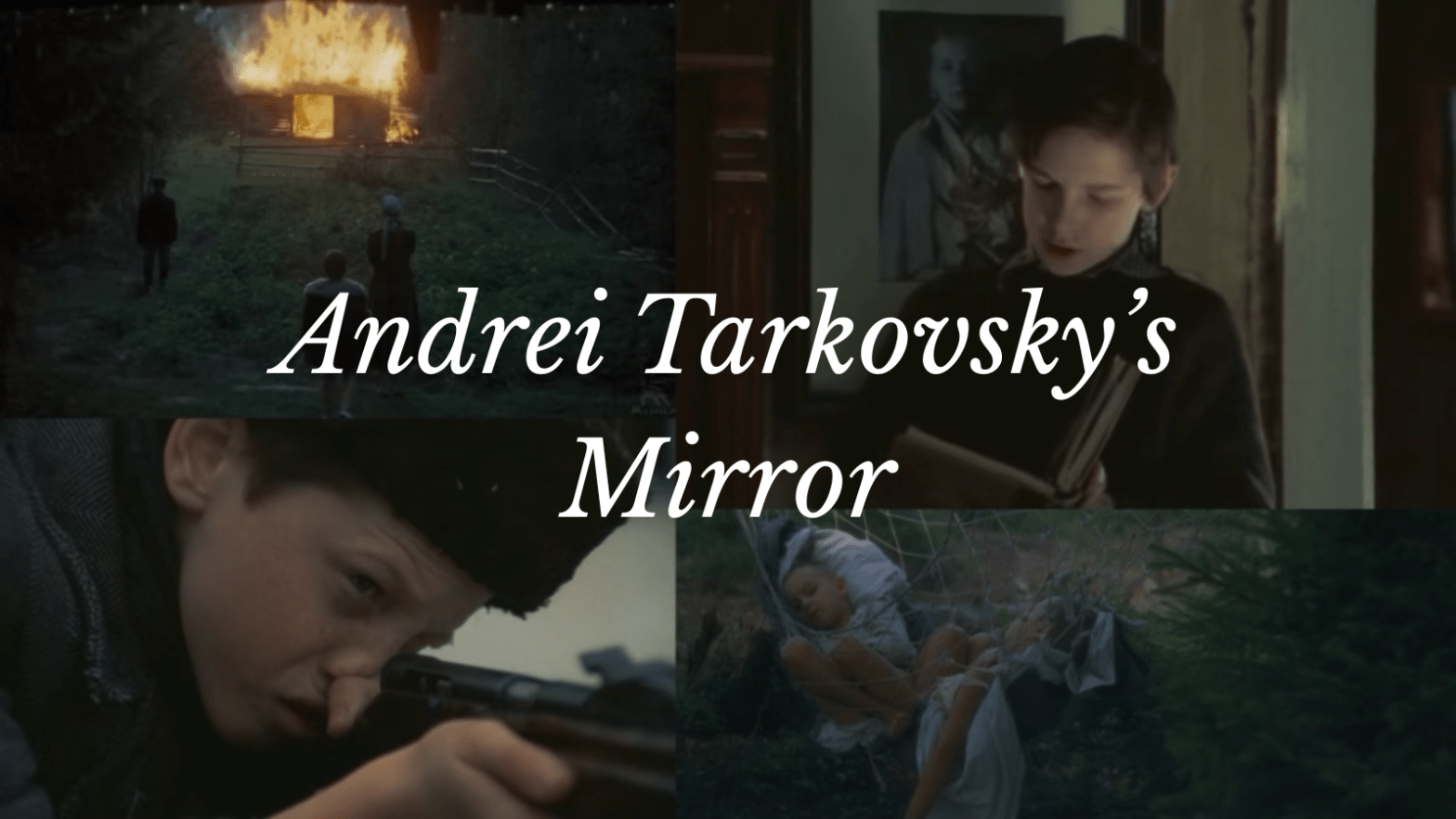
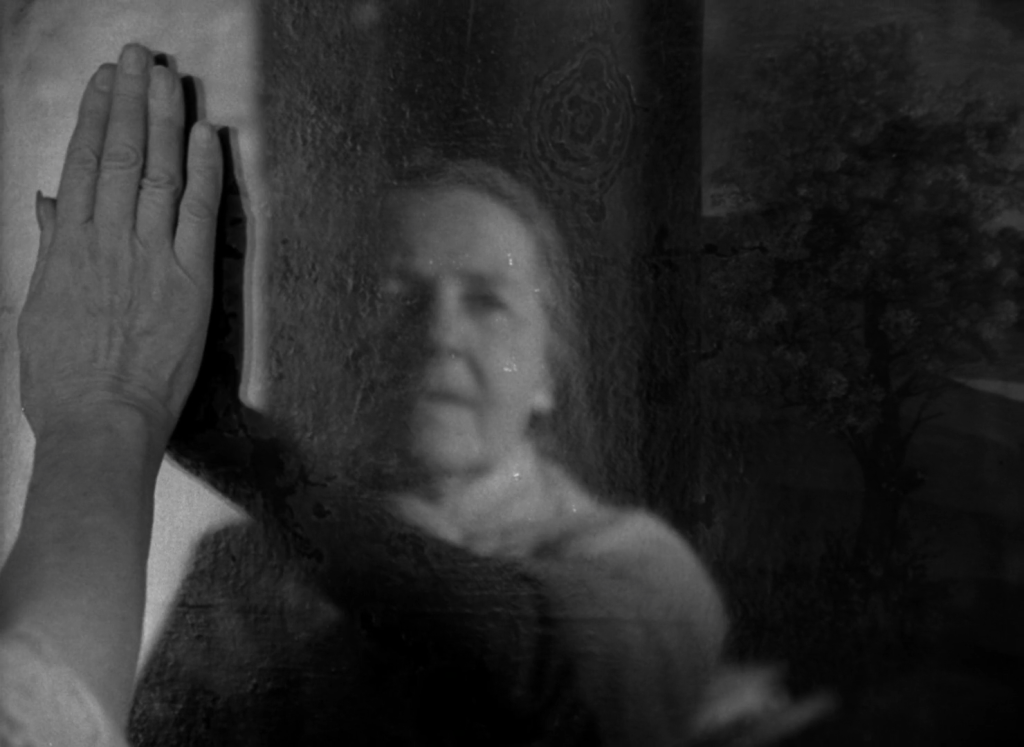
Tarkovsky’s deeply autobiographical film chronicles boyhood and the role of art, nature, and country in the absence of fatherhood. The film is overflowing with images that breathe: images of brother, sister, and mother amidst nature, displaying the grace that flows from life. It even stars his actual mother, who floats in and out of frame as the boy’s elderly mother and also his grandmother. The boy cast by Tarkovsky bears the most eerie resemblance I’ve ever seen to its real-life subject. His father, too, who is a Soviet soldier that has abandoned his wife and two children. He sees them very rarely and is always full of harsh criticism.
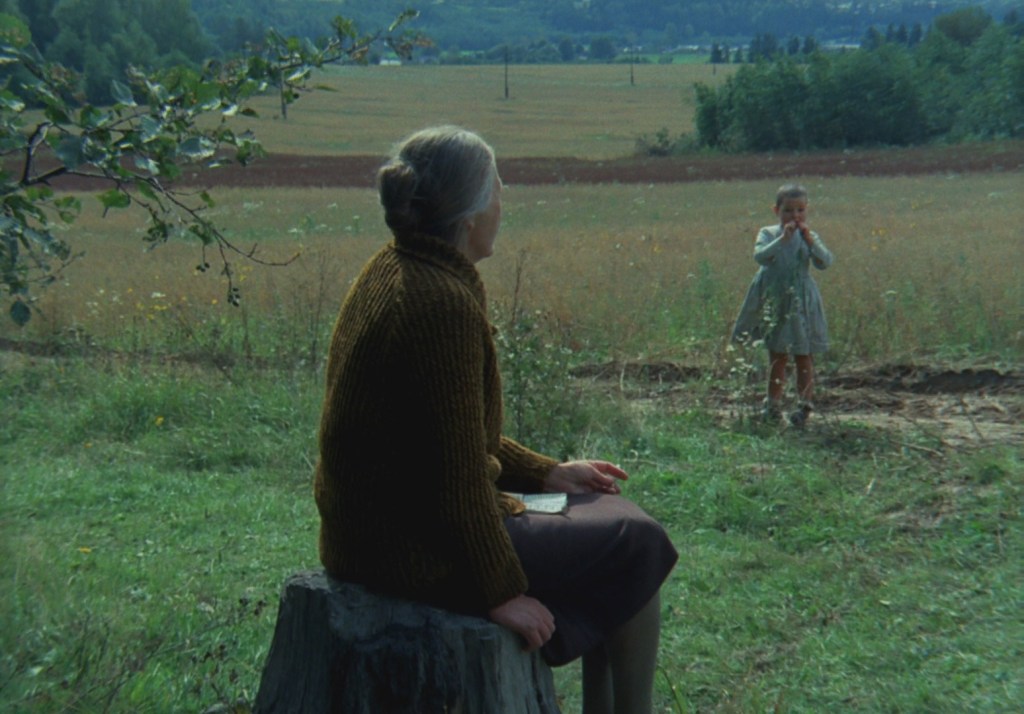
In place of his father, the boy grows through the transcendentals. Present in nature is God’s omnipotence as well as Russia’s natural and blessed goodness. Tarkovsky’s fatherland is felt in the brutal yet life-giving natural world that sustains him and his mother. The land is alive, transforming him through its beauty and wisdom. But, his fatherland is hurting. He flashes back to his own father’s childhood in Russia, allowing us to get a glimpse into the brutal world of children raised in wartime. Later, there is a beautiful scene where the boy reads an excerpt from a book by Pushkin, which argues that Russia is a martyr that helped preserve the rest of the Christian world. Russia bore a terrible cross by suffering the worst of all pagan invasions in the Christian world, thus preserving European Christianity from its horrors. Tarkovsky sees his fatherland as a literal father: it is a metaphysical reality that is part of him.
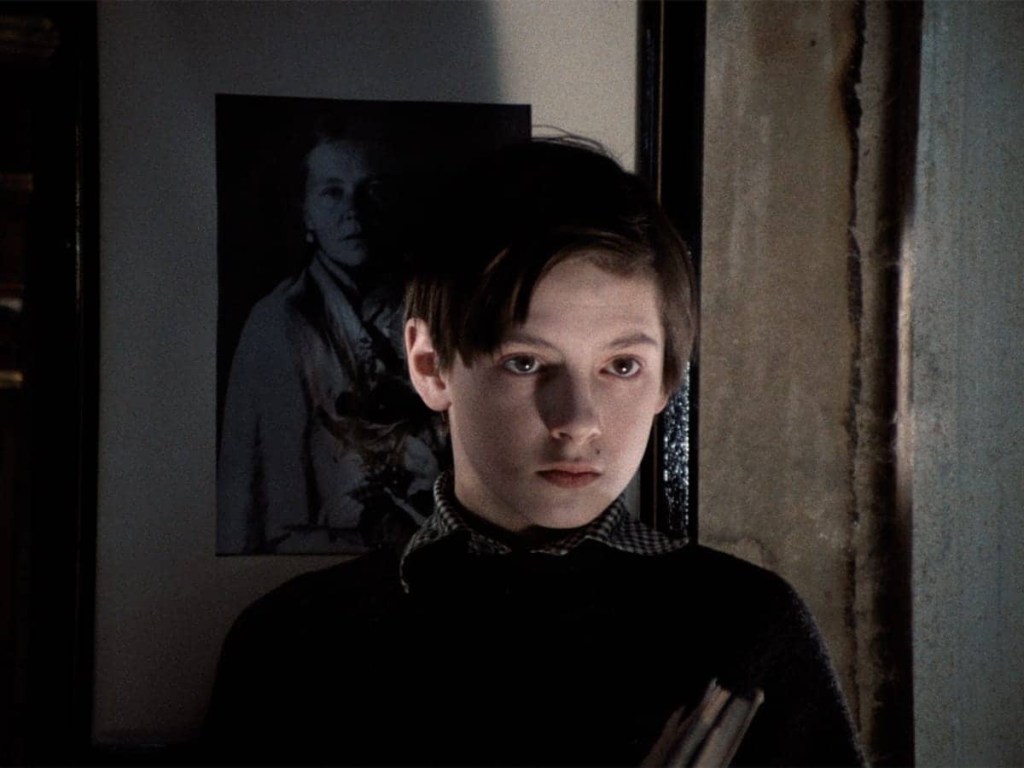
As for art, a book containing a collection of works by the Italian painter Leonardo Da Vinci is prominently featured, as the boy slowly flips through its pages. The images are teaching him about the transformative power of art and the artist’s ability to capture life. Tarkovsky features paintings by Da Vinci in multiple films. In his final film, The Sacrifice, the presentation of Da Vinci borders on horror as its onlooker is taunted by the painting’s terrifying majesty. Also, much of the cinematography throughout his films is inspired by the graceful work of Da Vinci.

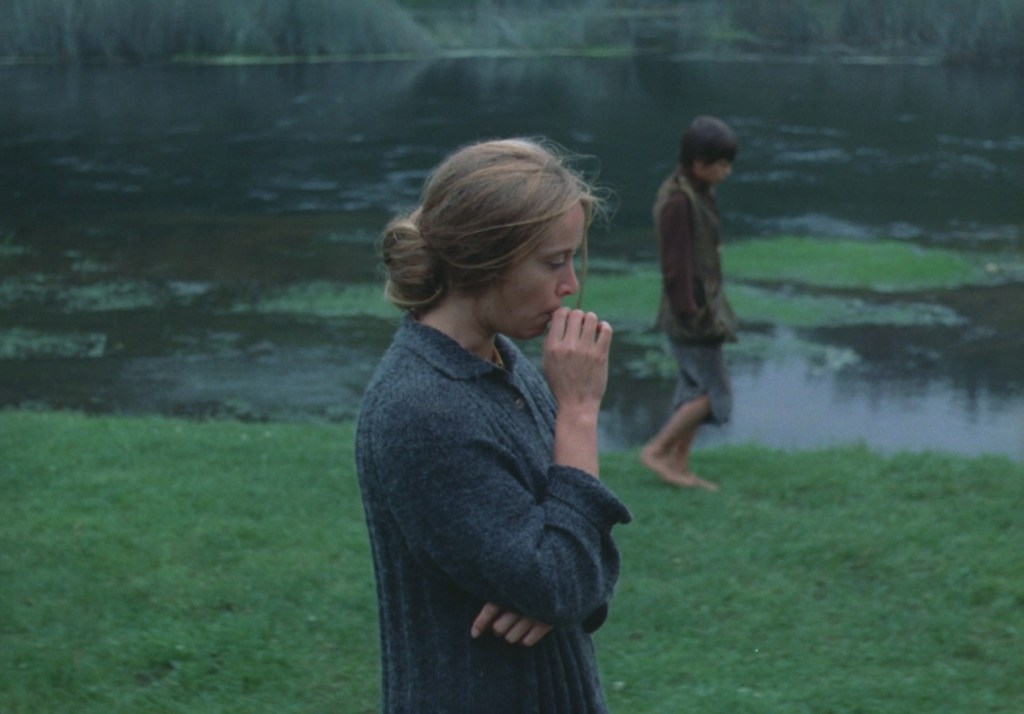
Lastly: the boy and his mother. It is a special relationship that nothing in nature can compare to. His mother is taunted by dead dreams of a happy life, and Tarkovsky’s heart seems to break for her. She endures ridicule and abandonment, persevering through it all. Their relationship is presented almost explicitly through images. Quiet and tender, their connection is mysterious and spiritual. The film slowly goes back in time and ends with her pregnancy, when they were one and his mother was still all smiles.
But, history had other plans. The devastation of war and living under the oppressive Soviet Union stomped out any hope in a full life for millions of its citizens. Yet, as a result of this suffering, Tarkovsky has given us a rare gem of poetic genius. Mirror is the most vivid glance into generational childhood put to screen. And, as it turns out, childhood is one of the most precious and important aspects of human life.
I truly hope that Tarkovsky and his mother were able to find healing through making and watching this film together.

 The Art of Hope